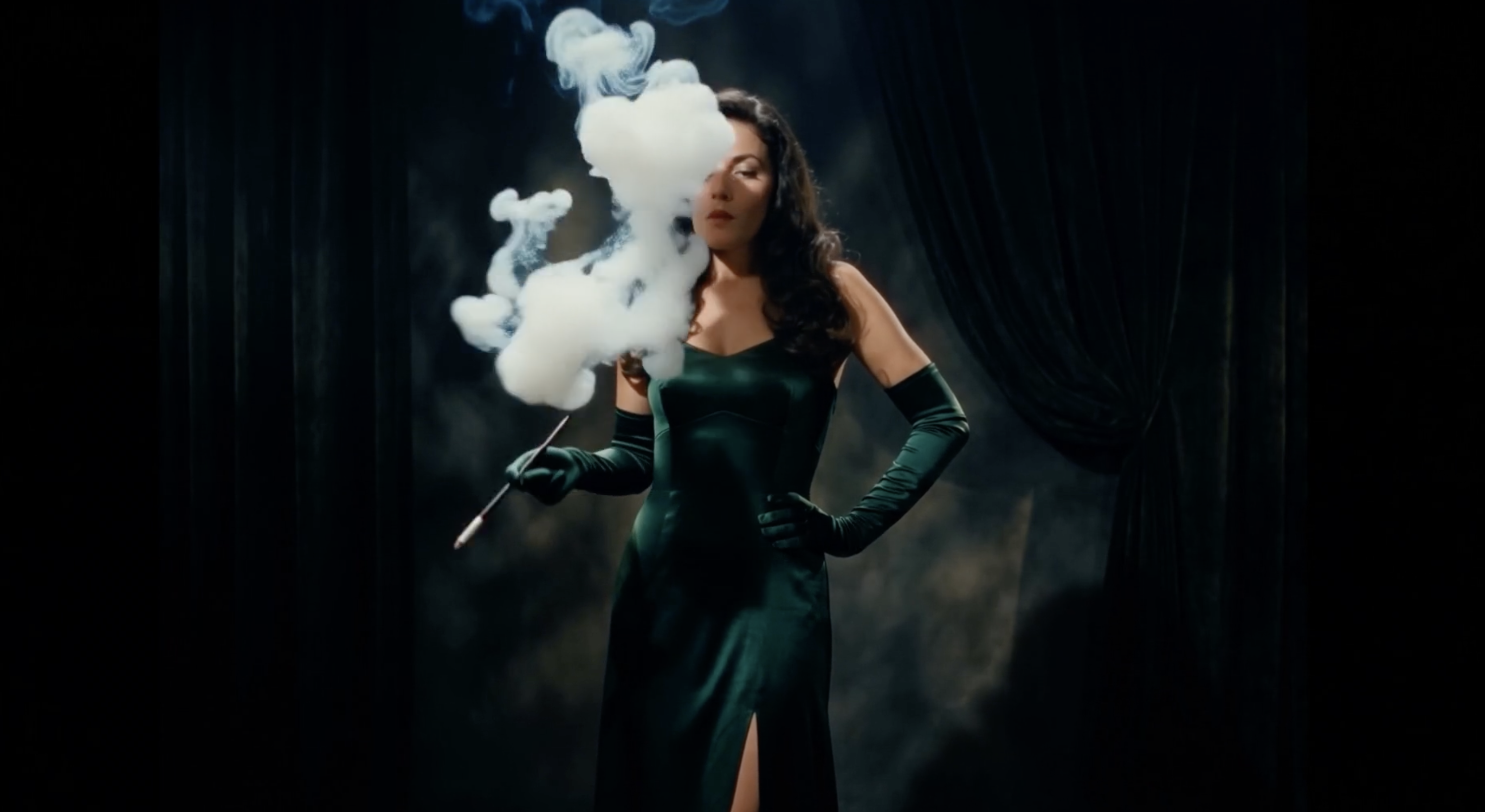
Creature Reveal Through Water
Fitness Test
Prompt Tested
Ultra-photorealistic aerial cinematic photograph captured from a camera positioned hundreds of feet above a military rescue helicopter, looking steeply downward toward the North Atlantic Ocean from an almost top-down perspective. The helicopter is hovering approximately 600–800 feet above the violent ocean and is positioned slightly left of center directly beneath the camera. Bright navigation lights and flashing anti-collision strobe lights are clearly visible against the dark storm. A powerful searchlight projects a broad, soft beam onto the ocean below, illuminating the sea monster, dense sea spray and thick fog. The beam naturally diffuses through the moisture-filled air, creating realistic atmospheric scattering rather than a hard-edged spotlight. Far below, an enormous ancient sea creature emerges from the ocean. Only its terrifying head and upper neck rise above the surface. The creature has believable biological anatomy, wet textured skin, scars, barnacles, subtle algae growth, realistic eyes, enormous teeth and authentic marine coloration. It looks like an undiscovered deep-ocean apex predator rather than a fantasy monster. The North Atlantic is extremely violent with massive storm swells, breaking waves and heavy whitecaps. Thick white foam covers the tops of countless waves exactly like a real storm at sea. Powerful winds tear spray from every whitecap, filling the air with fine mist. Large waves crash against one another, creating chaotic foam patterns and turbulent water. The helicopter rotor wash subtly disturbs the ocean surface directly beneath the aircraft while remaining physically realistic. Heavy volumetric fog drifts across the ocean, illuminated by the helicopter searchlight and natural overcast daylight. The fog, sea spray and airborne mist create dramatic atmospheric depth. Extreme sense of scale. The helicopter appears tiny compared to the colossal creature. Ocean occupies almost the entire frame. IMAX nature documentary cinematography. National Geographic realism. Ultra-photorealistic. Feature-film VFX quality. Physically accurate ocean simulation. Physically based lighting. High dynamic range. Natural cinematic color grading. Ultra-sharp details. Authentic aerial photography. 8K. No CGI appearance. No fantasy art style. No illustration. No cartoon styling.
Creature Reveal Under Environmental Occlusion
This test measures whether a model can maintain a coherent creature design, believable scale, and consistent spatial relationship while revealing a massive sea creature through heavy environmental effects (dark water, spray, mist, searchlights, and turbulent ocean). It also evaluates cinematic staging and whether the reveal escalates naturally rather than collapsing into disconnected spectacle or losing the subject within the FX.
Seedance2.0
Maintains the most consistent integration of creature animation, ocean simulation, atmospheric effects, and camera work across the full sequence. Water carries convincing mass and momentum, producing the most production-ready result in this comparison.
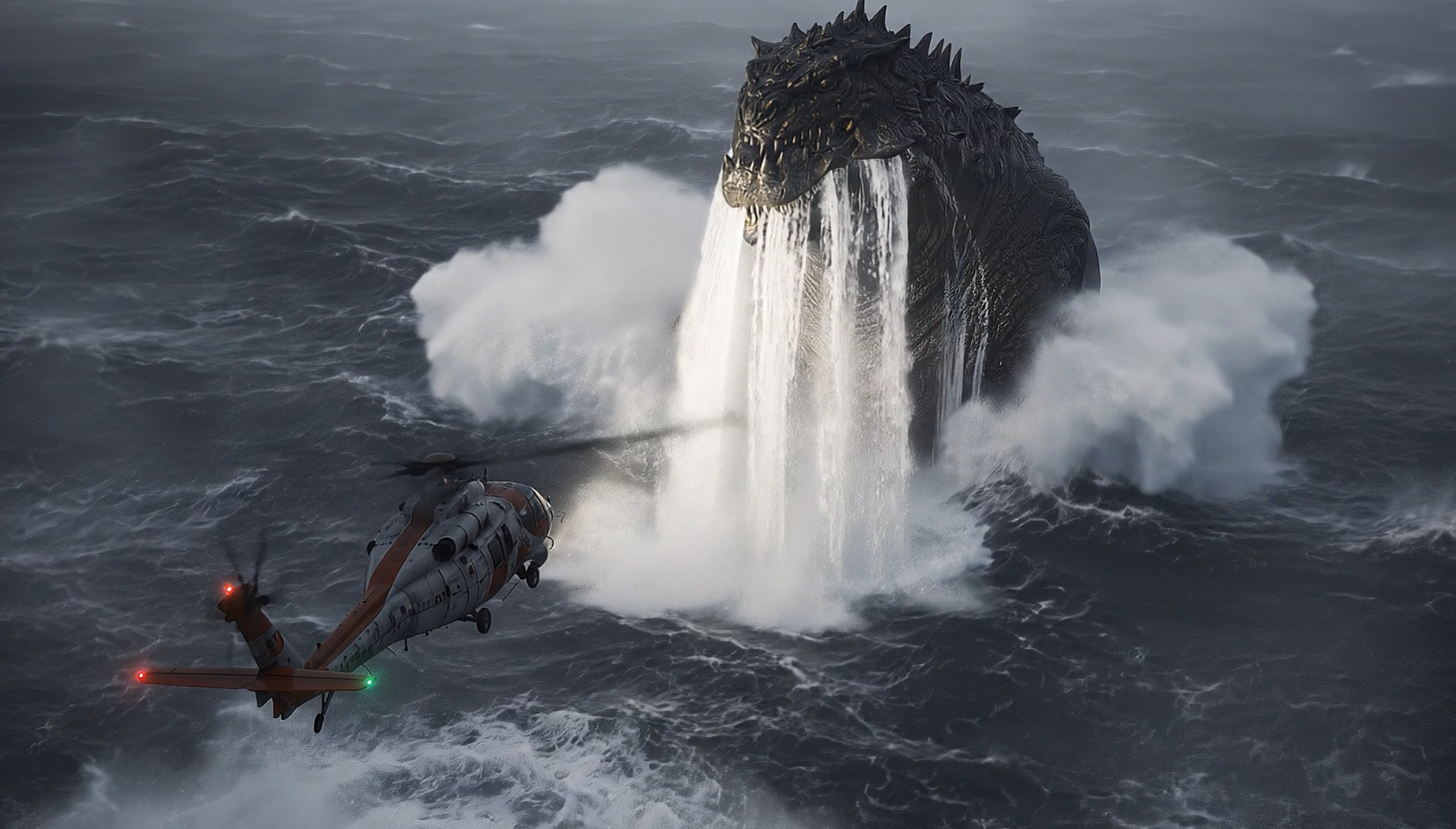
Veo3.1
Delivers excellent large-scale ocean behavior and maintains creature scale and spatial continuity throughout the reveal. Minor stylization in the finer water detail is outweighed by consistently strong shot execution.
Sora2
Produces several visually striking angles with strong lighting and cinematic composition. Water interaction and spatial continuity become less consistent as the sequence progresses. Water simulation has unrealistic repetitions lacking convincing water <→ water interaction. Creature gets worse as it exits water. Giving it a yellow this week as we should be nice to a EOL model.
Wan2.2
Maintains stable compositions and coherent environmental effects throughout the sequence. Ocean dynamics lack the complexity and force expected at this scale, resulting in a competent but conservative presentation.
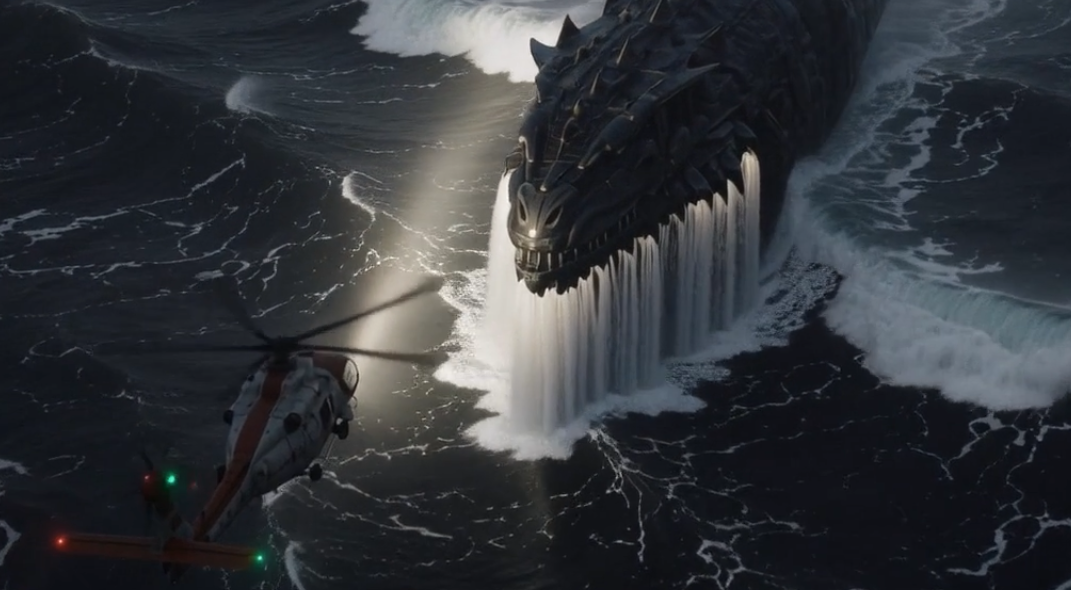
LTX2.3
Establishes convincing broad-scale motion and a readable creature reveal, but water simulation loses detail under close inspection while being too consistent as falling from mouth. Foam, spray, and secondary fluid motion remain the most obvious areas requiring additional visual effects work.
Kling2.1Pro
Water effects frequently obscure the creature rather than reinforcing its scale, reducing the impact of the reveal. Environmental interaction, fluid behavior, and overall shot readability fall short of the standard established by the leading models.
The Verdict
Results: All six models produce imagery that would have been remarkable only a few years ago. Seedance and Veo deliver the most complete shots, maintaining convincing creature performance, water interaction, atmospheric effects, and a consistent sense of scale throughout the reveal. The remaining models show varying degrees of breakdown in fluid behavior, environmental integration, or shot continuity. Graded against the best in class modern VFX, none of these results would survive, but still quite impressive results in places.